Trump Delays the Iran Strike (Again), I have a news live blog pinned in one browser tab and an oil price tracker in another for the better part of this year. Every few days the headline flips, strike is happening, strike is called off, “deal perimeters” have been reached, talks have collapsed. If you’ve felt whiplash trying to keep up with the US-Iran situation, you are not imagining it. Even people who cover this for a living keep getting caught off guard.
I’m not a foreign policy expert. I’m just someone who follows this stuff closely because it actually affects real things gas prices, flight routes, what shows up in my news feed every morning. So I want to walk through what’s actually happened, why the “delay” keeps happening over and over, and what’s genuinely useful to know if you are trying to follow this without losing your mind.
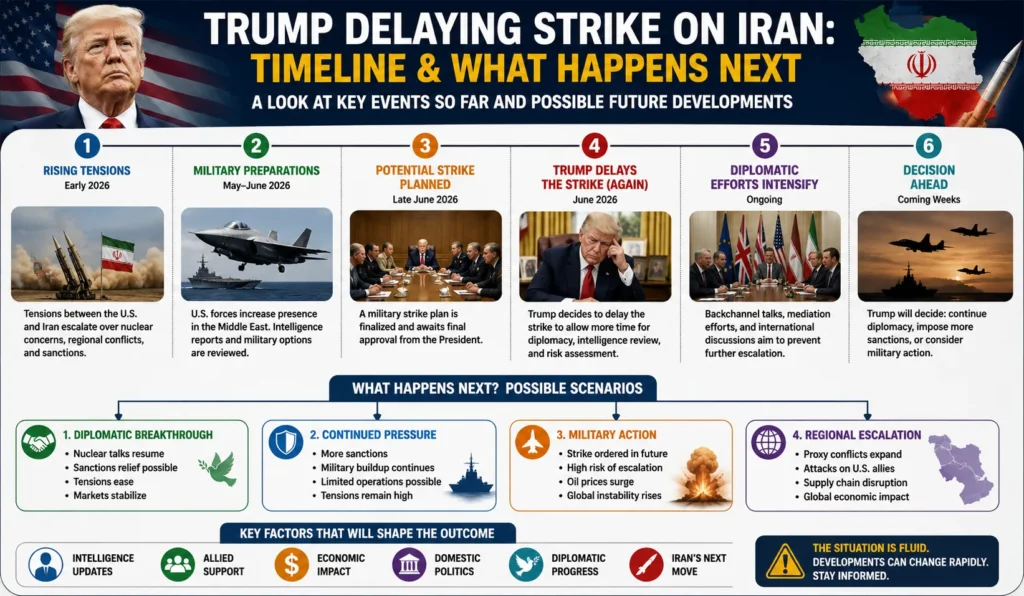
The current round of the US-Iran conflict kicked off in late February 2026, when the US and Israel carried out strikes against Iran. Since then, it’s gone through phases that are honestly hard to summarize cleanly, because the administration’s messaging has shifted a lot.
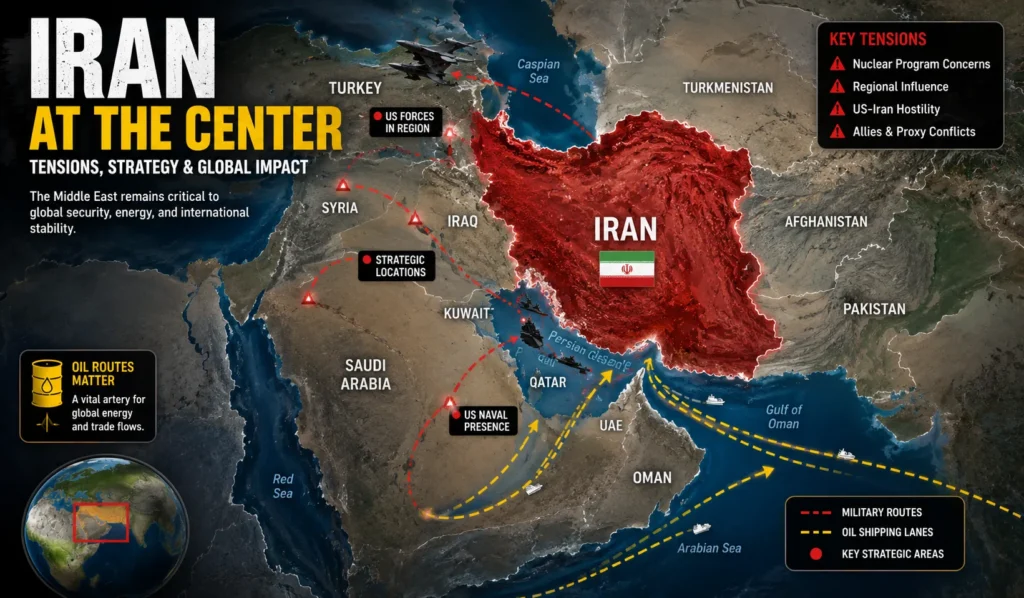
In late March, Trump gave Iran a short ultimatum tied to reopening the Strait of Hormuz the narrow waterway that a huge share of the world’s oil shipments pass through and threatened to hit Iranian power plants if it didn’t happen. Then, almost immediately, he pushed that deadline back. Then pushed it back again, by ten more days, citing “productive” talks with Tehran.
That pattern threaten, then postpone, then extend, then postpone again has basically repeated all year. By midsummer, US strikes were reportedly happening on a near daily basis for a couple of weeks straight, then Trump ordered a pause. Oil prices actually dropped sharply the day that pause was announced, which tells you how closely markets are watching every twist.
Most recently, at the end of July, US officials signaled a large strike could happen within days. Then, on August 1st, Trump announced on social media that he’d cancelled it, saying the outlines of a deal had been reached and that Iran along with other countries in the region had asked him to hold off.
So as of right now, we’re in another pause. Whether it holds is genuinely unclear, and I’d be lying if I told you I knew what happens next.
Why does the strike keep getting delayed?
From what’s been reported, a few things seem to be driving this back and forth:
Regional pressure. Saudi Arabia and other Gulf states rely heavily on the Strait of Hormuz staying open and stable, and they’ve reportedly pushed the US to avoid actions that could escalate things further. A wider war is bad for everyone’s oil exports, not just Iran’s.
Ongoing back channel talks. Each delay has been paired with claims of progress in negotiations, even though Iranian officials have publicly denied that formal talks are taking place at times. That contradiction alone tells you there’s a real information gap between what’s being announced and what’s verifiably happening.
Domestic and military factors. There have been reports the US military was working through munition stockpiles after weeks of sustained strikes, which is the kind of unglamorous logistical detail that rarely makes headlines but genuinely shapes decisions like this.
Supporters of the administration’s approach frame this as strategic patience using the threat of force as leverage without committing to a wider war. Critics argue the constant back and forth undermines credibility and leaves the region in prolonged uncertainty. Both readings show up a lot in coverage, and I don’t think either one is unreasonable it really depends on which part of the pattern you’re weighing more heavily.
What Trump Delays the Iran Strike (Again) actually means day to day?
Here’s the part that affects regular people, and it’s worth being specific about it.
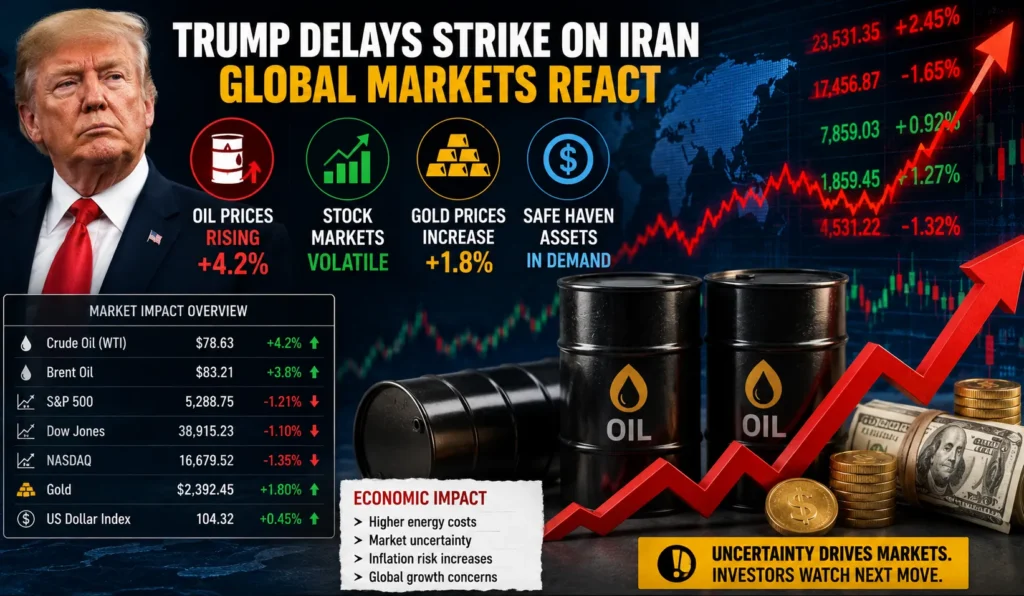
Oil and gas prices. Every time strikes ramp up or pause, oil prices move sometimes by a lot in a single day. If you want to actually track this instead of guessing from headlines, the US Energy Information Administration (eia.gov) publishes daily crude prices, and Brent/WTI futures are easy to check on any finance app like Yahoo Finance or Bloomberg.
Shipping and the Strait of Hormuz. Commercial ship traffic through the strait has reportedly dropped to a small fraction of normal levels during the worst stretches. If you’re curious how bad it’s gotten at any given moment, MarineTraffic.com lets you watch live vessel traffic through the strait, which is honestly a pretty sobering way to see the impact in real time.
Travel. If anyone you know has plans anywhere near the region, the State Department’s travel advisories page (travel.state.gov) is the actual source to check not a headline, not a forwarded WhatsApp message.
Common mistakes people make following this story
A few things I’ve caught myself doing wrong, and seen other people do too:
Treating “postponed” as “resolved.” A pause in strikes is not a ceasefire, and a ceasefire is not a peace deal. Each of those is a different, more durable thing, and headlines sometimes blur the distinction.
Trusting the first post you see on social media. Truth Social is genuinely where Trump has made a lot of these announcements first, but the framing of a Truth Social post and the framing in wire reporting from Reuters or AP afterward can differ. Read both if you can.
Assuming one country’s officials speak for the whole situation. Iranian state media and US officials have given contradicting accounts of whether talks are even happening at certain points. Neither side is a neutral narrator here.
Panic reacting to oil price headlines. Prices have swung sharply in both directions multiple times this year. A one day spike or drop isn’t necessarily the new normal.
Where this might go from here
I want to be upfront: nobody outside a small circle of officials actually knows how this resolves, and anyone who tells you with total confidence what happens next is guessing. The realistic possibilities being discussed by analysts range from a genuine negotiated settlement, to another temporary lull followed by renewed strikes, to a slower grinding stalemate that just continues in phases like the ones we’ve already seen.
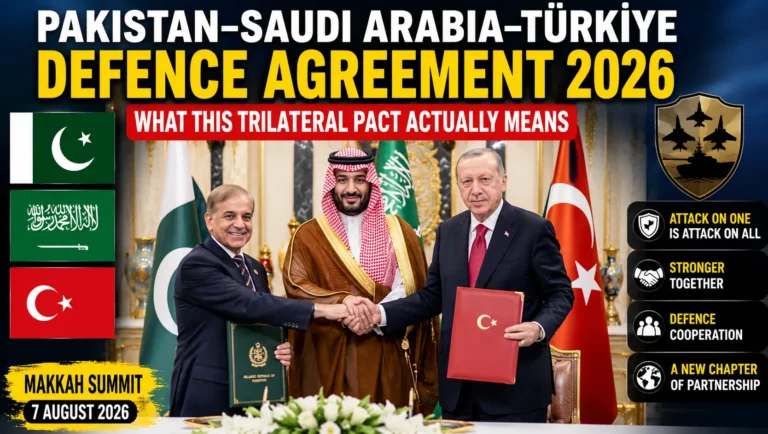
What does seem consistent is that regional actors Saudi Arabia, Turkey, Pakistan, and others are playing an active role in trying to keep things from escalating further, and that’s probably the detail worth watching most closely in the coming weeks.
This isn’t a story with a tidy ending yet, and I’m not going to pretend I can wrap it up with a bow. If you’re trying to follow it, the best approach I’ve found is picking two or three sources you trust, checking the raw data (oil prices, shipping traffic) instead of just headlines, and being okay with the fact that “still developing” is going to be the honest answer for a while longer.
This is a serious, ongoing conflict with real human consequences, and coverage of it is evolving quickly if you’re looking for the latest specifics, it’s worth checking a live wire source directly rather than relying on any single recap, including this one.
Is the US currently at war with Iran?
Yes, the US and Israel have been engaged in an active military conflict with Iran since late February 2026, with periods of intense strikes interrupted by several ceasefire-style pauses.
Why does Trump keep delaying the strikes instead of just calling them off entirely?
Reported reasons include ongoing negotiations, pressure from regional allies like Saudi Arabia, and the stated goal of using the threat of force as leverage rather than committing to further escalation.
Is the latest pause a permanent ceasefire?
As of early August 2026, it’s described as a cancellation of a specific planned strike tied to “deal perimeters,” not a formal, signed peace agreement. It’s worth confirming the latest status through a current news source before assuming otherwise.
How is this affecting oil prices?
Oil prices have swung sharply throughout the year in direct response to strike and pause announcements, including a sharp drop after the late July pause was announced.
Where can I get reliable or real-time updates?
Wire services like Reuters and AP, along with outlets running continuously updated live blogs (CNN and Al Jazeera have both done this throughout the conflict), tend to be more reliable in the moment than social media summaries.
Bilal Ahmad
Bilal Ahmad is the Founder and Editor of GlobalNewsHubz. He writes about technology, world news, government schemes, and digital trends. His goal is to provide readers with accurate, well-researched, and easy-to-understand information using trusted and official sources.